How Our “Head Coach System for Travel” Delivers Flawless, Authentic Japanese Cultural Experiences in Tokyo
This article presents a consolidated overview of Parts 1–3 of our “Head Coach System for Travel” series—an operational framework that enables us to deliver flawless, emotionally resonant, and culturally precise Japanese cultural programs for luxury travelers in Tokyo.
While many travel providers focus on itinerary design or destination selection, our approach centers on people—the artisans, the guides, and the Head Coach—whose synergy determines the true value of a cultural experience.
Our goal is simple:
To deliver Authentic Japanese Culture in Tokyo with a level of depth, precision, and consistency rarely achievable in conventional travel models.
1. The Foundation: What Makes Japanese Culture in Tokyo Truly Authentic
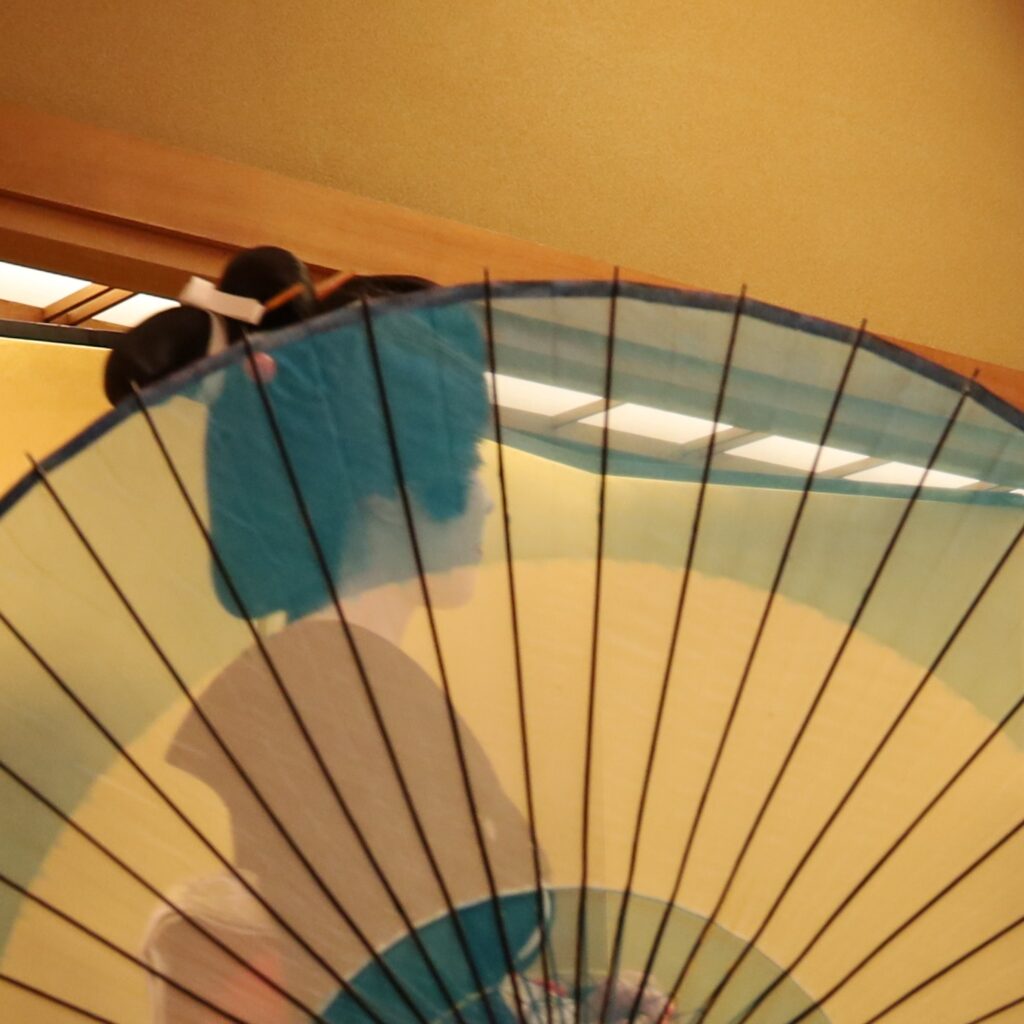
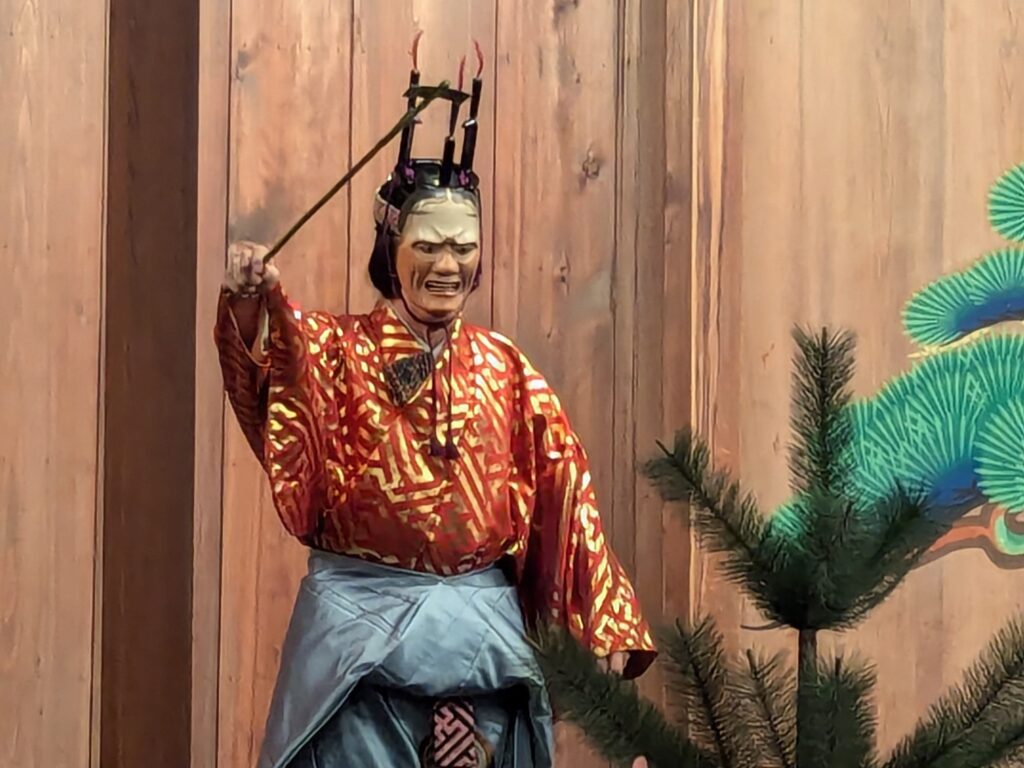
Unlike staged cultural shows or standardized workshops, our programs are conducted by leading masters of traditional Japanese arts—geisha, Noh performers, artisans, musicians, monks—who practice living traditions passed down through centuries.
Interpretation is handled not by generalist tour guides but by specialized cultural interpreters, trained to understand traditional terminology, artistic nuance, and contextual history.
This alone, however, does not guarantee flawless delivery.
The final and most defining element is the Head Coach System.
2. Part 1 — Adaptive Cultural Experiences Guided in Real Time
In Part 1, we explained the root of our success:
The Head Coach accompanies nearly every experience and adjusts the program in real time.
By reading guests’ facial expressions, cultural background, curiosity, and emotional reactions, the Head Coach fine-tunes:
the depth of explanations
the pace of the experience
the order of activities
the level of cultural or historical detail
This adaptive approach bridges the cultural gap between traditional Japanese masters and international guests—ensuring clarity, accuracy, and emotional resonance.
The result is flawless consistency, with guest satisfaction approaching 4.97/5 across all experiences.
3. Part 2 — The Psychology Behind Trust and Motivation
Part 2 revealed the psychological mechanisms that allow artisans and performers to give their very best to our guests.
● Mere Exposure Effect
Daily face-to-face interactions between the Head Coach and the artisans create trust, familiarity, and psychological safety.
Contracts and emails cannot reproduce this effect—only presence can.
● Motivation × Ability = Performance
Traditional artisans already possess extraordinary skill (Ability).
But performance becomes exceptional only when their Motivation is elevated by human connection, respect, and trust.
This is why our guests often describe their experience as:
“The highlight of our entire Japan trip.”
● Kagurazaka: A Strategic Choice
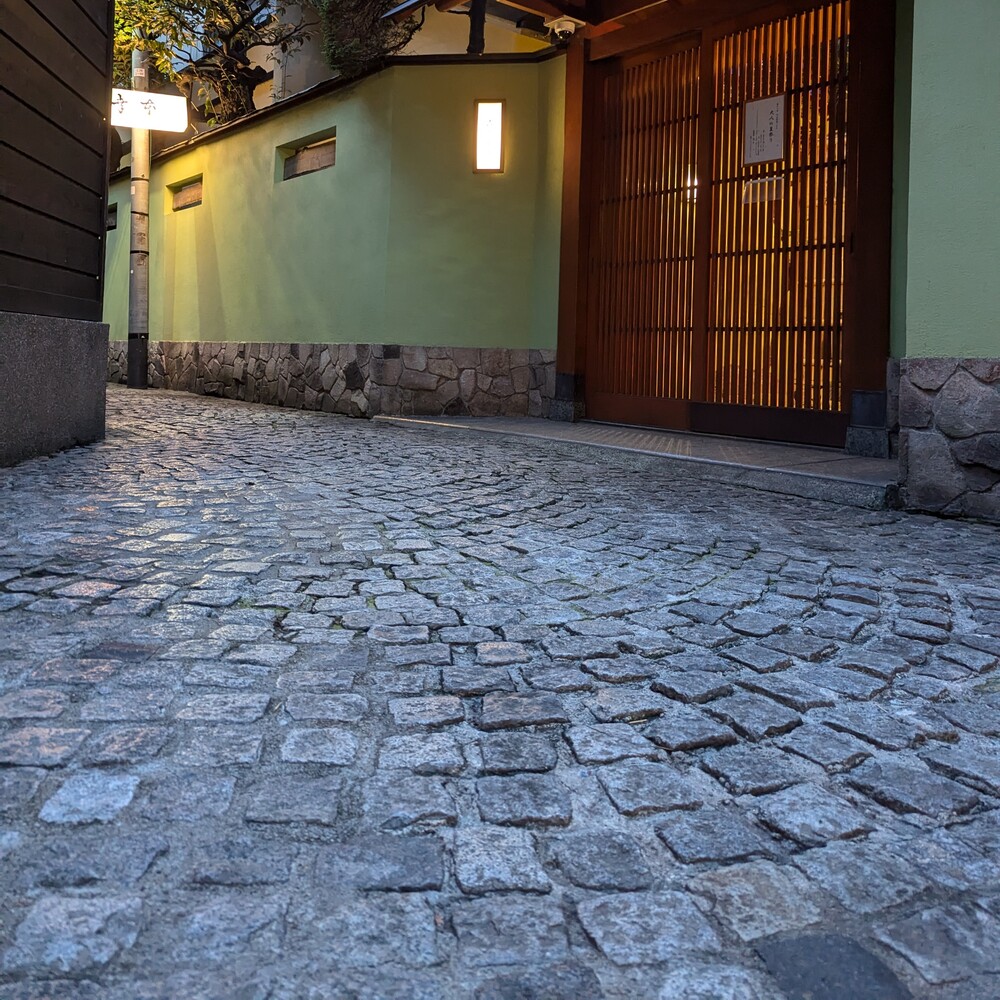
The Head Coach System is possible only because we operate exclusively in Kagurazaka—a compact district where all partners are located within 20 minutes of our office.
This ultra-micro-tourism model allows daily contact, seamless coordination, and a depth of relationship impossible to replicate on a national scale.
4. Part 3 — Why Guides Are the Final Determinant of Experience Quality
Part 3 focuses on the most overlooked pillar:
The guide team.
Even world-class artisans cannot convey cultural value without guides who can translate meaning, structure the narrative, and create an emotional connection.
Survey Data
The Japan Tourism Agency’s 2024 study shows that foreign travelers rate the following as “Very Important”:
Cultural background and origins (69%)
Historical context (67%)
Essential Knowledge Areas for Guides
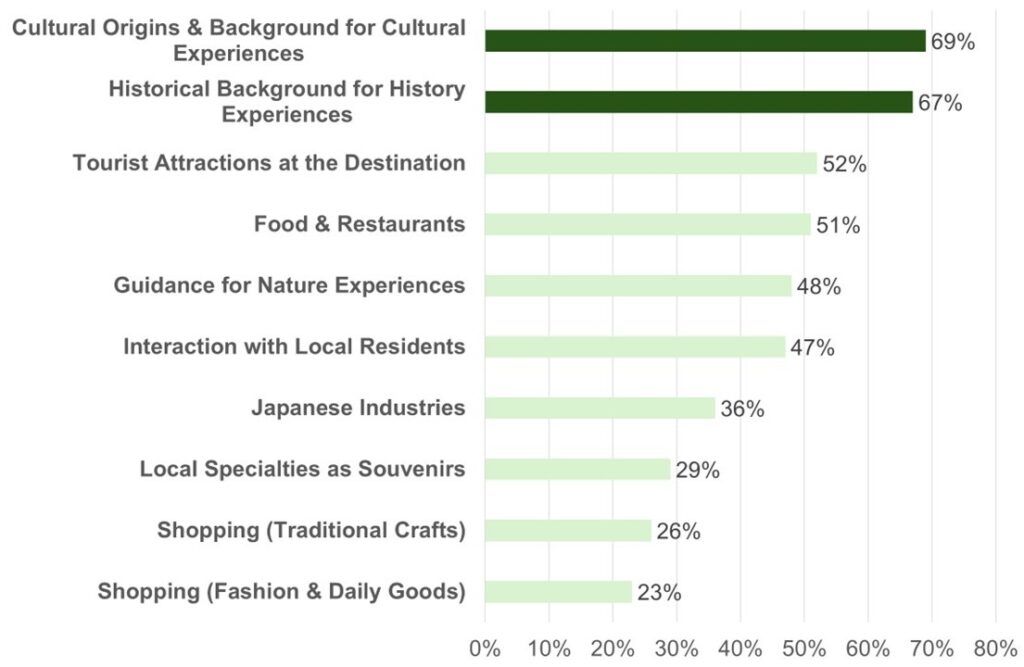
Note: Percentage of respondents who answered ‘Very Important’
Source: Japan Tourism Agency, Survey Results on the Needs for Guide Personnel (May 2024)
Attitudinal expectations such as friendliness, clarity of speech, and approachability also ranked highest.
In other words, guides determine whether an experience becomes “50 points” or “120 points.”
Our Guide Development System
Part-time employee model (non-freelance)
→ A stable sense of belonging, shared mission, and accountability—consistent with Maslow’s hierarchy of needsDaily reports
→ Collective knowledge (“shared intelligence”) through Bandura’s Social Learning TheoryContinuous on-site training
→ Every program becomes real-time training led by the Head CoachHuman connection & psychological safety
→ Team dinners and celebrations strengthen unity, enhancing hospitality for large groups
This integrated structure is rarely found in the global luxury travel industry.
5. Why Our System Is Difficult to Replicate
The Head Coach System is not a scalable mass-tourism model.
It functions only when the following conditions are met:
a narrow geographic focus
daily face-to-face relationships with artisans and venues
a guide team trained under the same cultural philosophy
a Head Coach capable of real-time adjustment and relationship stewardship
Because of this, our model is inherently boutique—a deliberate choice that prioritizes depth over breadth.
6. Conclusion — The True Difference Is Made Not by the Program, but by the People
Authentic Japanese Culture in Tokyo requires three elements to align perfectly:
Master artisans and cultural practitioners
Highly trained cultural interpreters (guides)
A Head Coach who unifies, adjusts, and oversees the entire experience
This triad creates what we call the “Spiral of Happiness”:
Guest satisfaction → Artisan motivation → Guide growth → Better experiences → Even greater satisfaction
Luxury travel agencies and five-star hotels seeking reliability, precision, and cultural authenticity will find a trusted partner in EDO KAGURA.
We look forward to welcoming your valued guests and delivering Tokyo’s most refined and emotionally resonant cultural experiences.